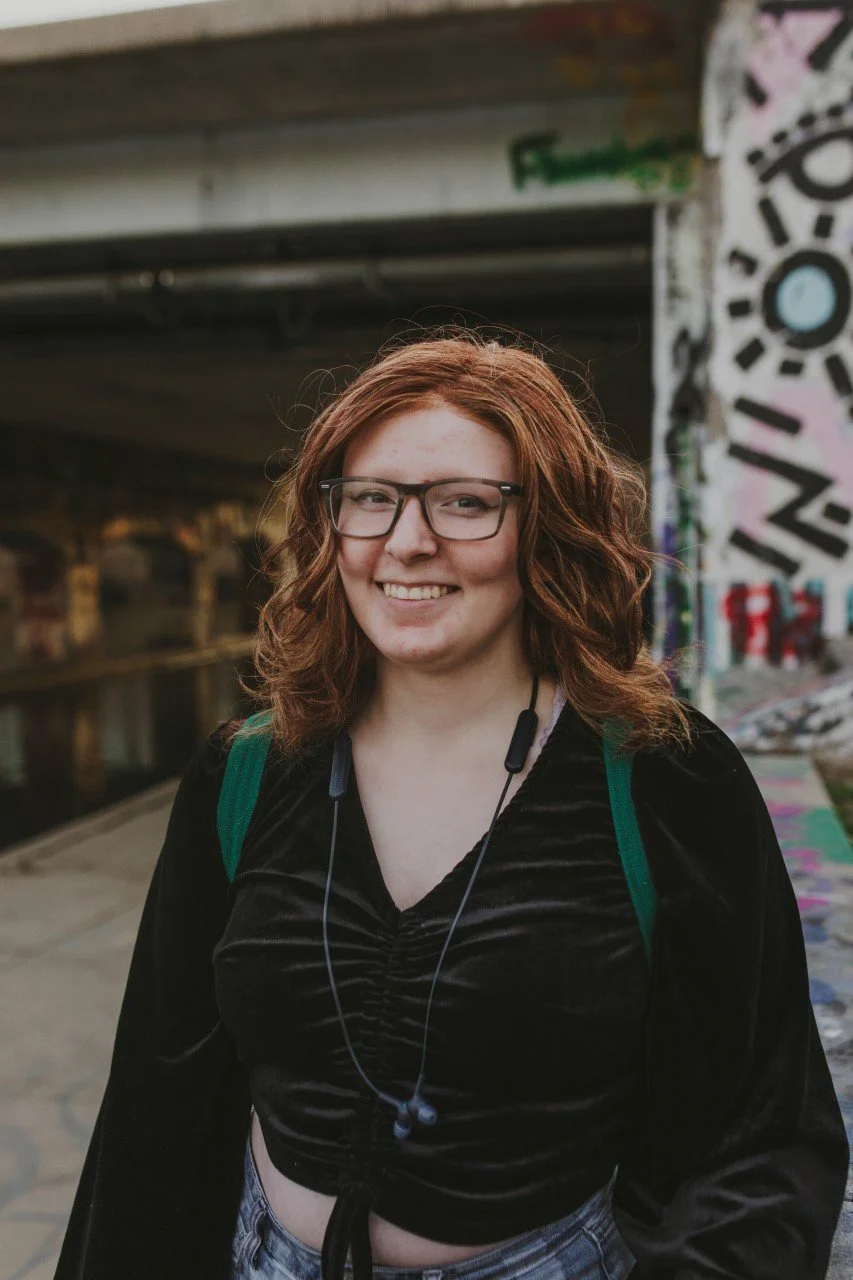
Teaching Philosophy
I’m Erin Vollertsen, I am a disabled white/ indigenous women who loves to teach. I focus on accessibility in art as well as in education, as all those who want to make art should be allowed to and able to. Most of my artwork is based on my experience as a woman in American society. Whether that be beauty standards and how they shift and form culture, or how history repeats itself with women at it’s center. My artwork focuses on the feminist lens through which I see the world as a disabled white/indigenous woman. As my art has evolved so has my focus on women and how they are exploited and used for their beauty then disgarded.
As an educator I create an inclusive environment through the posters posted on my walls and through the equitability that I use to guide my choices. I have posters about different artists from distinct cultures using different techniques as well as having posters about what my expectations are in my classroom. I expect my students to not only respect me and show me respect but show each other respect. I am empathetic to my students, as well as kind and generous, to ensure a positive vibe for all my students. By being gracious and caring my students will be more willing to show respect to me as I treat them with the same level of respect. By teaching artists and creators who are culturally and historically relevant to my students I am focusing on their personal identities’ which is a fantastic way to form a tight knit community in my classroom.
Through a grouping of “Students Will Be Able To” statements I looked through what I want my students to perform but also how I want my students to grow. I believe my students should, by the end of their time with me, be able to hold a conversation about their art. To show this skill I have been having them do verbal critiques at the end of their projects as well as written critiques and then calling on them randomly using cards so the same confident few are not the only ones who speak. I believe that they will be able to draw and paint and sculpt what they see and imagine. I have them both sketch imaginative ideas and create those as well as work from life objects and references. Finally, I believe that they should be able to work with materials properly. I can tell they can be trusted with materials when they can answer what the takeout and put away procedures are for the project’s tools and if at the end of the day when I do the final sweep of the room, I don’t find any ruined materials.
The lesson ideas that I have created have been created with the ideas of process being primary and product being secondary. My rubrics reflect this as if they can explain their process and how it went right or wrong they can still get full marks for a worse looking project than a peer who did not explain their process well. I structure my work for the lesson plans in a specific way to work on equitability in the classroom. I have mini lessons in between the big lessons for the students who are behind on their larger projects to catch up so we can all stay at pace. I want my students to know that the process and the artist's statement about what the art means means more than the final product.
The lesson ideas and the equitability that they follow all need assessment. They will be able to explain the definition of the vocabulary that is gone over at the beginning of the unit. I show this by using this vocabulary in the questions I ask on the rubric, if they know the meaning of the vocabulary word their answers are normally more fleshed out than those who do not. They will be able to explain their feelings about their project, as well as write an artist statement about their artwork and the concepts and contexts. The reading of the rubric and the necessity of completely understanding them leads to better outcomes and more understanding from the students.
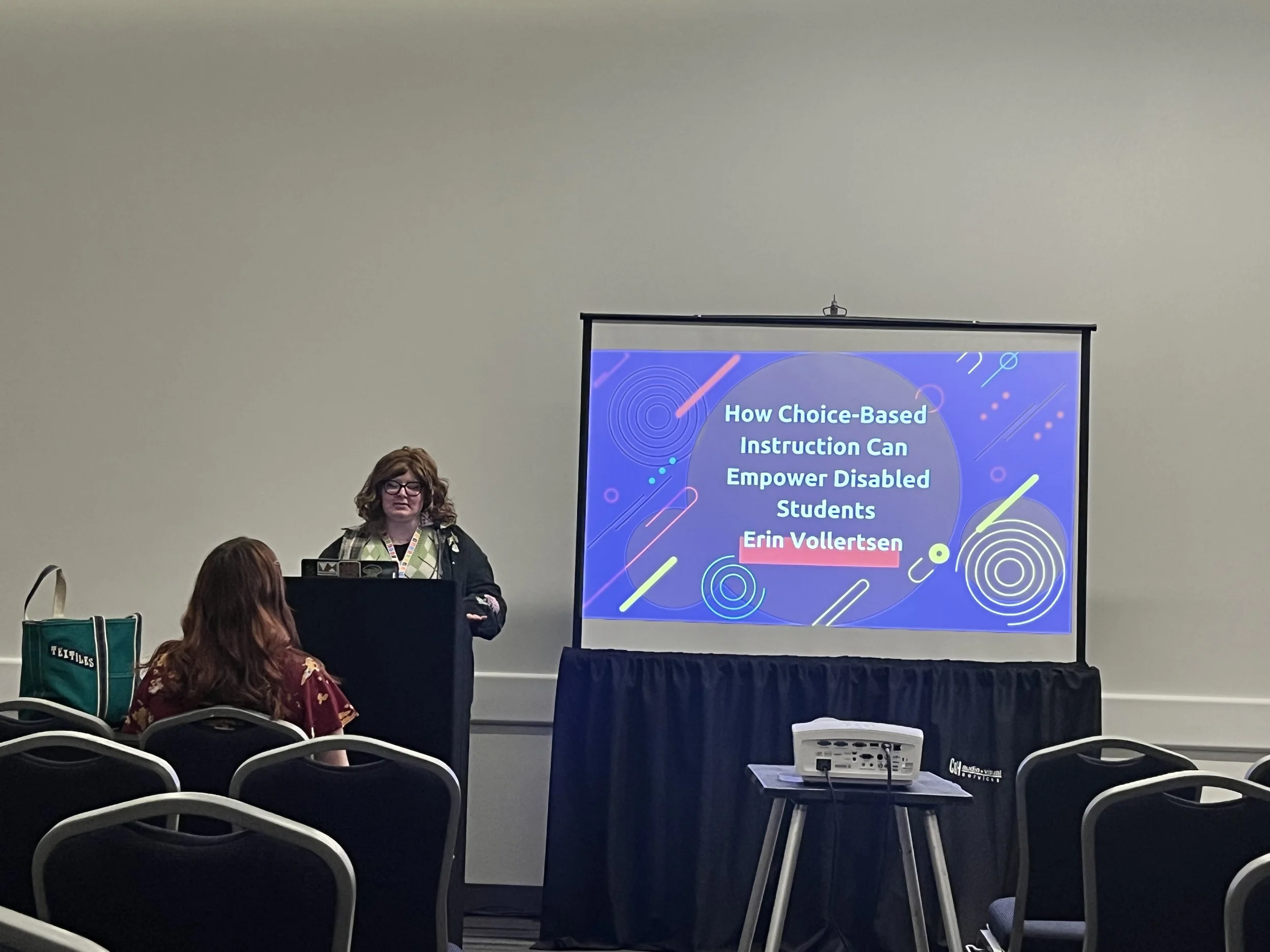
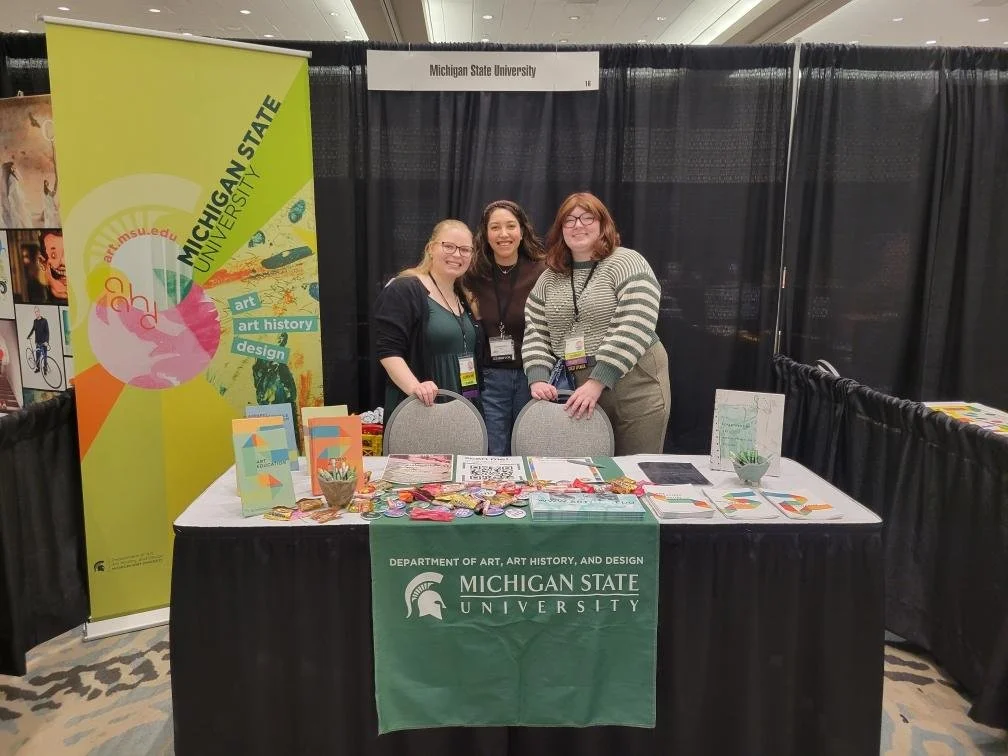
Presentations!
Presentations!

Lesson Plans!
Lesson Plans!
Highschool
✳︎
Highschool
✳︎
Highschool ✳︎ Highschool ✳︎
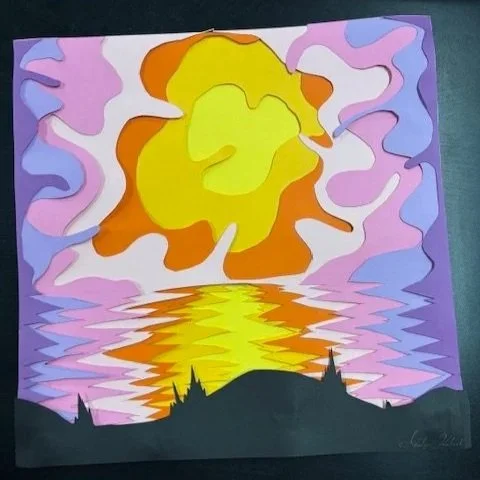

Elementary
✳︎
Elementary
✳︎
Elementary ✳︎ Elementary ✳︎
Feedback!
Feedback!
Supervisor
✳︎
Supervisor
✳︎
Supervisor ✳︎ Supervisor ✳︎
It's been great to see your future lesson ideas develop as you work on them. Thanks for sharing those! Your slides are especially well done and look ready for when you get to teach those lessons. -Field Instructor
Erin is reflective of her own teaching for the purpose of improving it and accepts and applies feedback from me. She is working to be more explicit with her instruction and is showing improvement. -Mentor Teacher
Great job preparing them to be successful on all parts of this artwork, giving them a nice set of requirements that allow for creativity and choice. -Field Instructor
Great job sharing artists that relate to this lesson with your students. Your slides do a great job of highlighting the artist and their artwork. -Field Instructor
Erin has been doing a nice job at planning singular lessons as well as sequencing lessons strategically. She has been incorporating both main projects as well as mini-lessons which tie nicely together and incorporate short and long-term goals. -Mentor Teacher
Student
✳︎
Student
✳︎
Student ✳︎ Student ✳︎
I think you’re awesome! -11th grader
I’m glad you’re becoming a teacher because you have such interesting lessons! -12th grader